SNMP assists spiteful users to learn too much about a system, making password speculations easier. SNMP is often disregarded when checking for vulnerabilities due to the User Datagram Protocol ports 161 and 162. Ensure network management servers are physically secured and secured on the network layer. Consider utilizing a segregate management subnet, protecting it by using a router with an access list. Unless the service is required, it should be shut off by default.
This eliminates the possibility of any obscure protocols being utilized, while minimizing the danger of an incident. Ports exist either in allow mode, or deny (closed; blocked) mode. If your mail server is in a state of readiness to receive SMTP traffic, we call that "listening on port 25." That means port 25 is open. The main reason you interject a firewall between the Internet and your system is to get in the way of outsiders trying to access open ports. The applications on your network's machines can open ports without waiting for your knowledge or permission. Some, like peer-to-peer file sharing or video conferencing software, open ports with the single-minded obsession of a frenzied border collie.

Each of those open ports becomes another potential hole in your security, gullibly accepting whatever is sent to it, unless you take proactive steps to block it. ■Stateful inspection Stateful inspection operates at the network and the transport layers of the OSI model, but it has the ability to monitor state information regarding a connection. Once the connection is deemed to be acceptable, the firewall remembers this. Therefore, subsequent traffic can be examined as either permissible or not within the context of the entire session. It then functions by checking each packet to verify that it is an expected response to a current communications session. Aport scanis a method for determining which ports on a network are open.

As ports on a computer are the place where information is sent and received, port scanning is analogous to knocking on doors to see if someone is home. It is also valuable for testing network security and the strength of the system's firewall. Due to this functionality, it is also a popular reconnaissance tool for attackers seeking a weak point of access to break into a computer.

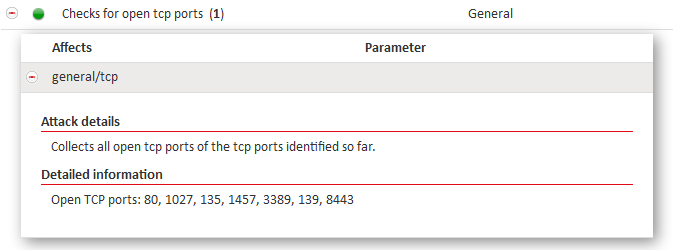
By default, Windows and the network router open some ports used for Internet and Web applications such as email, browsing, FTP file transfers and other essential tasks. If you want to use other business applications that require an Internet connection, you may have to open them manually. If you want to check disabled or closed ports on your router, you'll find the device probably does not provide a means of doing this. Nevertheless, you can determine the blocked ports by finding out which ones are open or active. This knowledge provides you a starting point for figuring out what Internet traffic to permit through the firewall, and what to deny. Security across all network ports should include defense-in-depth.
Close any ports you don't use, use host-based firewalls on every host, run a network-based next-generation firewall, and monitor and filter port traffic, says Norby. Do regular port scans as part of pen tests to ensure there are no unchecked vulnerabilities on any port. Pay particular attention to SOCKS proxies or any other service you did not set up. Patch and harden any device, software, or service connected to the port until there are no dents in your networked assets' armor.
Be proactive as new vulnerabilities appear in old and new software that attackers can reach via network ports. If you have access to a computer outside your network, you can download and install a security application that will enable you to scan all ports on the router and computers connected to it. If you can set up a PC outside the local network hosted by the router, you can download applications such as NMAP or NetScanTools that perform full system scans for any IP address on the network . To use the applications on an outside computer, though, you will need to provide access to the internal network to the IP address of the system with the scanning application. You can open access to the network in the configuration settings of the router. It is designed to operate rapidly by either allowing or denying packets simply based on source and destination IP address and port information.

This is the simplest and fastest form of traffic-filtering firewall technologies. Some malicious software acts as a service, waiting for connections from a remote attacker in order to give them information or control over the machine. The goal behind port and network scanning is to identify the organization of IP addresses, hosts, and ports to properly determine open or vulnerable server locations and diagnose security levels. Both network and port scanning can reveal the presence of security measures in place such as a firewall between the server and the user's device. The private, or dynamic, port numbers are used by clients and not servers.

Datagrams sent from a client to a server are typically only sent to well-known or registered ports . Server applications are usually long lived, while client processes come and go as users run them. Client applications therefore are free to choose almost any port number not used for some other purpose (hence the term "dynamic"), and many use different source port numbers every time they are run.

The server has no trouble replying to the proper client because the server can just reverse the source and destination port numbers to send a reply to the correct client . Scanning tools used by both attackers and security professionals allow an automated detection of open ports. Many network-based IDS/IPS solutions, and even workstation-based endpoint security solutions can detect port scanning. It is worthwhile to investigate port scanning originating from inside the local network, as it often means a compromised device.

However, computers running some security solutions can generate false positives. This is beacause vendors of security solutions feature a port scanner to detect vulnerable devices inside a home network. They must also configure their routers to forward incoming packets to the appropriate server. One thing to keep in mind is that when we discuss ports in terms of a firewall, we usually refer to traffic coming in on a specific port. For instance, when we talk about FTP traffic on port 21, we are not talking about someone using an FTP client to connect to another FTP site.
We are talking about a host running an FTP server where inbound connections are made to port 21, or in other words, the FTP server listens to port 21. Internet-facing services and applications essentially listen on ports for a connection from the outside to do their jobs. Without ports, communication between hosts over the internet is not possible. All ports, protocols and services within your environment must be properly defined, tracked and controlled.

More importantly, any corrections needed to be made should be handled within a reasonable timeframe. The rule for firewalls, especially inbound traffic, is block everything, and only permit traffic to specific devices and services that you allow. By default, nothing outside of the US can talk to me, and I can't talk to anything outside of the US. I only allow web browsing traffic outbound from my users. They can't even do a DNS lookup against a public server.

It is essential to know that Mac OS X opens ports as per requests by individual applications or services instead of managing ports individually. Most users using the default OS X firewall should use the following steps to Allow incoming connections for Applications. A number of ports are safe to open such as the ones used for Internet access, email and FTP file transfers. Common port numbers that typically may be open include 21, 25, 80, 110, 139 and 8080.

By default, these port numbers are usually active and open in most routers. Many more might need to remain open because of legitimate applications installed on computers connected to the network. What if I want to access other files but not share any of my own?

Your local files and printers are shared by the "File and printer sharing for Microsoft Networks" component, whereas access to remote files is enabled by the "Client for Microsoft Networks" component. Any idea why this port is still open even with a firewall? Different firewalls may choose differently to leaving Windows NetBIOS file and printer sharing open or closed with their default settings. So, just installing a firewall doesn't instantly protect you.
The firewall may need some help from you to determine what you want to be protected from! Therefore, you may need to examine the software's configuration settings to determine how to close external access to the dangerous NetBIOS ports 137, 138, and 139. As port scanning is an older technique, it requires security changes and up-to-date threat intelligence because protocols and security tools are evolving daily. These cybercriminals often use port scanning as a preliminary step when targeting networks. They use the port scan to scope out the security levels of various organizations and determine who has a strong firewall and who may have a vulnerable server or network. Reflects protocols that may be open by default, as well as some that are necessary for the intended purpose of the environment.

It is also essential to recognize the variation between the numerous types of attacks and the respective ports on which such attacks would be executed. It is necessary to monitor the ports that are open in an effort to detect protocols that may leave the network vulnerable. Running netstat on a workstation will allow one to view the ports that are running and that are open. In addition, running a local port scan will also portray which ports are exposed. Apply host-based firewalls or port-filtering tools on end systems, with a default-deny rule that drops all traffic except those services and ports that are explicitly allowed.
It's far simpler to lock down incoming traffic (in most cases you aren't locking it down, but opening it up!), but that is only half of the story, when you take security seriously. You need good insight in the network and applications, to know, what is acceptable outgoing traffic and what not. Outgoing traffic should not be defined by blacklisting ports and IP addresses, but by whiletlisting the ports, sources and destinations, that need to communicate. Because this port is in the ephemeral range, this rule may false under certain conditions, such as when a NATed web server replies to a client which has used a port in the range by coincidence.

Some applications may use this port but this is very uncommon and usually appears in local traffic using private IPs, which this rule does not match. Some cloud environments, particularly development environments, may use this port when VPNs or direct connects are not in use and cloud instances are accessed across the Internet. Modern email servers use port 587 for the secure submission of email for delivery. For example, if you use an email client software like Outlook or Apple Mail, it most likely is configured to use this port to send your messages. Systems that transmit messages to an email delivery service like SparkPost also should be configured to use this port.
Which Ports Are Dangerous To Have Open Secondly, NAT very effectively HIDES all of your machines from the prying eyes of the Internet! Anyone scanning across your IP address will ONLY be able to "see" the NAT router! (Which is generally much more secure than the average PC.) So, they won't actually be touching any of your machines located BEHIND the router! Moreover, none of the software running inside your PC can "give out" your network's public IP address because it is completely unknown to your machines!

Only the NAT router knows the public IP of your network, your machines only know their private "behind the router" IP's. So Internet client programs, like your web browser which send out the machine's IP address with every request, will be completely fooled and foiled when they're running behind a NAT router. The port was assigned for about one year when it was revoked in support of securing SMTP communications using Transport Layer Security . The nail in the coffin was a new protocol command "STARTTLS," introduced in RFC 2487. This command allows SMTP servers to communicate over existing ports by advertising whether the destination server supports TLS encryption.

If so, the sending server can upgrade the connection using the "STARTTLS" SMTP command. When configuring firewall rules it is highly recommended to allow remote connections on the inter-node communication port from every cluster member and every host where CLI tools might be used. Epmd port must be open for CLI tools and clustering to function. Open ports can be dangerous when the service listening on the port is misconfigured, unpatched, vulnerable to exploits, or has poornetwork securityrules. Services that rely on the Internet rely on specific ports to receive and transmit information. Developers use file transfer protocols or SSH to run encrypted tunnels across computers to share information between hosts.
Some ports and protocols can give attackers a lot of reach. Case in point, UDP port 161 is enticing to attackers because the SNMP protocol, which is useful for managing networked machines and polling information, sends traffic through this port. "SNMP allows you to query the server for usernames, network shares, and other information.
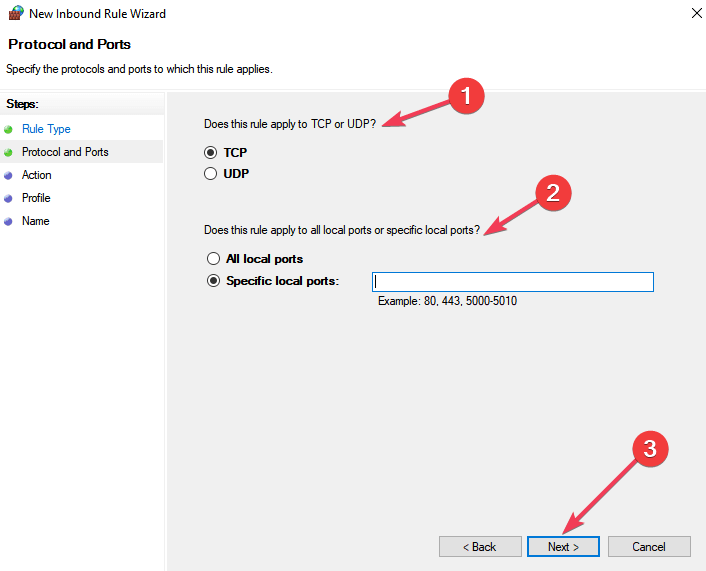
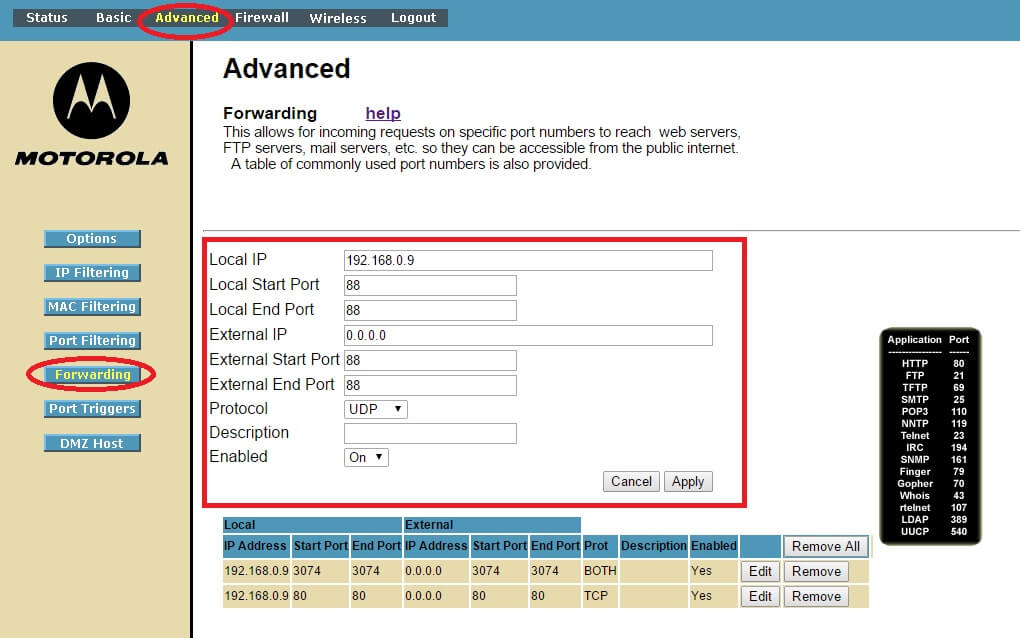
SNMP often comes with default strings that act like passwords," explains Muhl. With any comprehensive firewall package, you should be able to restrict both incoming and outgoing traffic of any kind on any port. For instance, on the internal interface, you will block all incoming ports except for FTP, HTTP, and NetBIOS. You should also block all outgoing ports on that same interface except for those necessary ports. For instance, if you run a mail server and provide your clients POP3 access, and you also run an FTP and Web server, you will want to allow external access to ports 25 , 110 , 20 and 21 , and 80 . If you also have SSL-enabled Web pages, you will want to open port 443 .
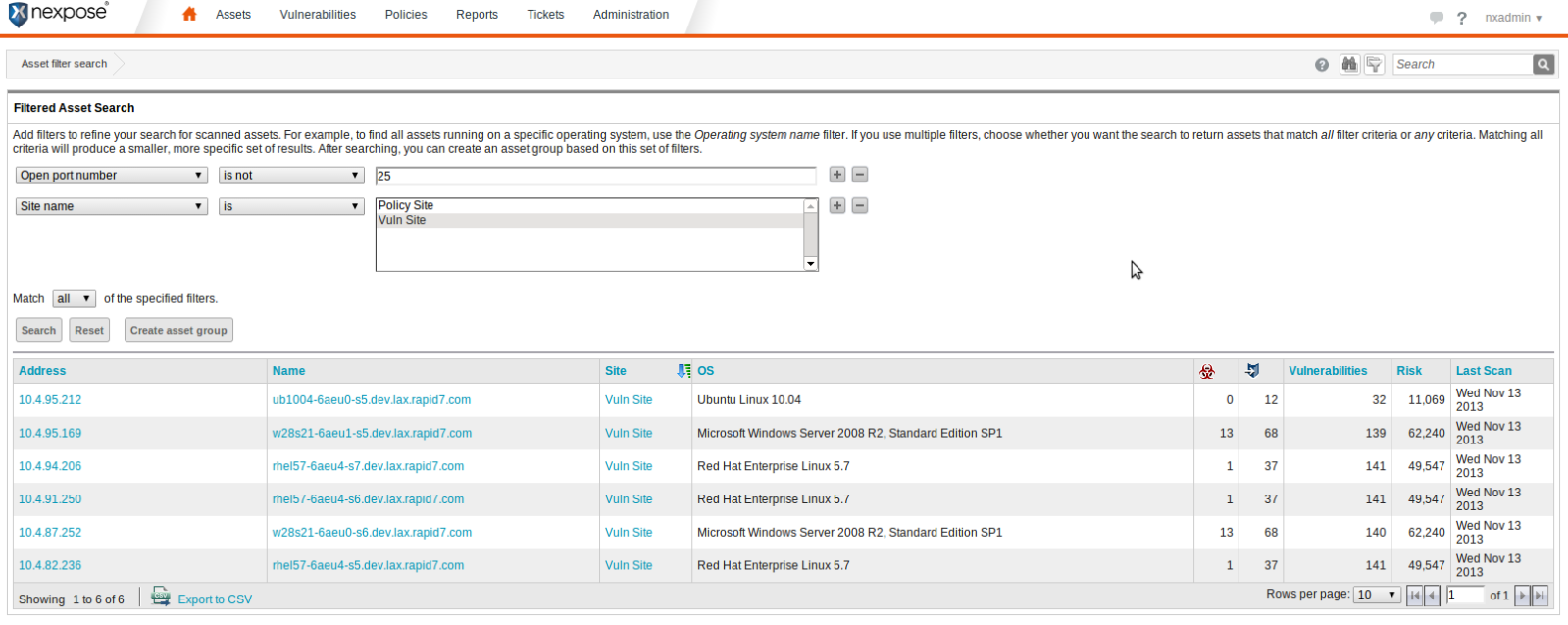
If you are running these services on a machine that you typically browse from , you will also want to open port 113 so people can verify that you are who you say you are. If you run a DNS server, you will want to open port 53. ITS runs a process that looks for unsafe open services, such as unencrypted, legacy ports on clients' networks, so administrators can close them or replace them with a secure version. A weekly check is initiated on every port on every managed device to identify which ones are risky and need to be restricted.
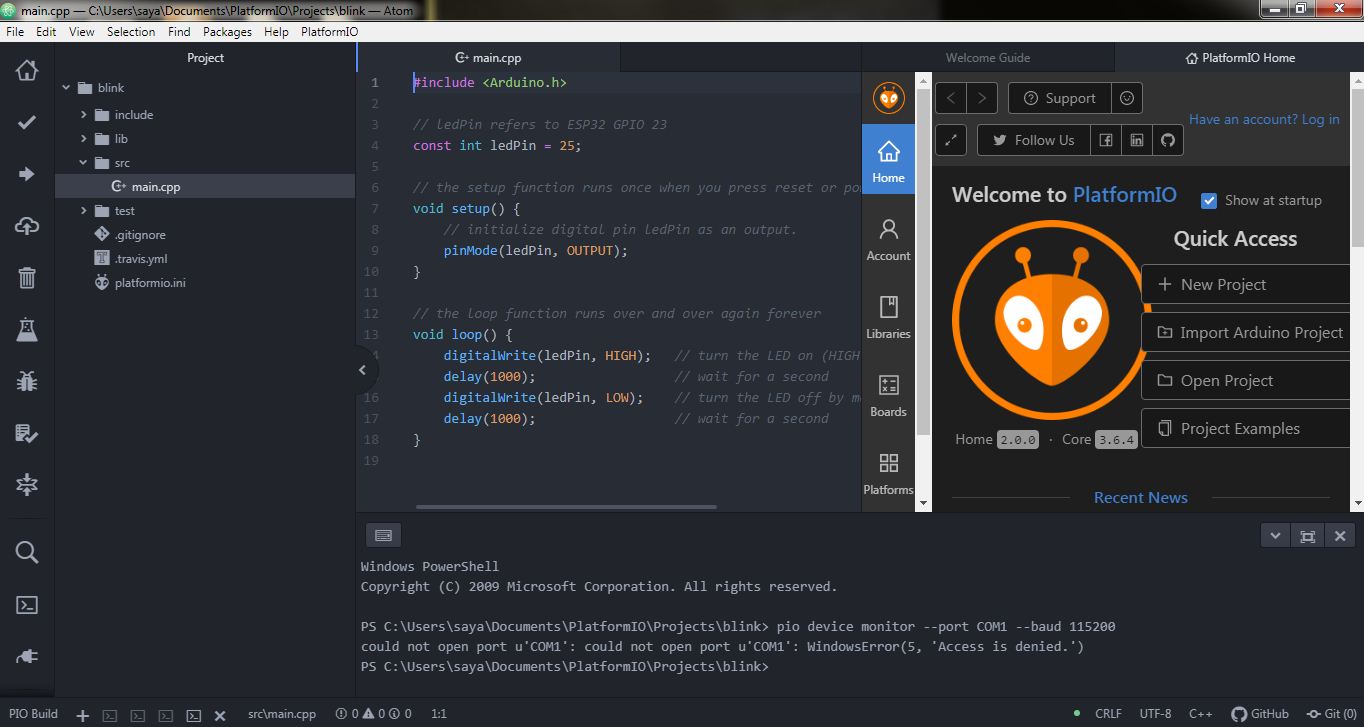
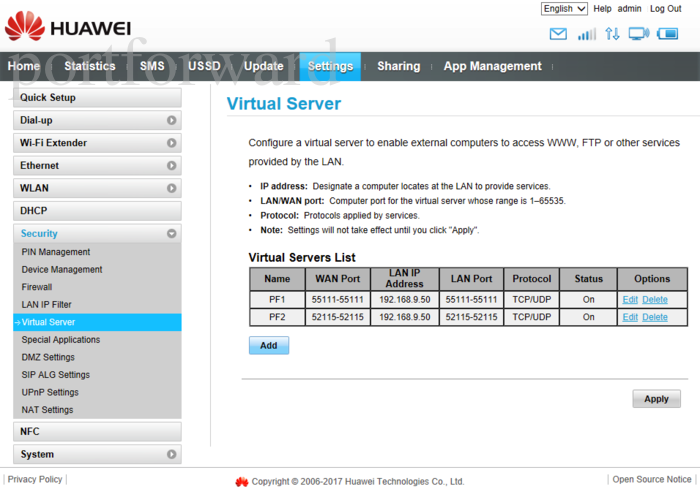
Now, with a secure baseline established, organizations are encouraged to perform regular automated port scans across the entire environment. The scan should note any discrepancies from the baseline and alert administrators to investigate the activity immediately. For services offered to users on the public Internet, ports are opened in the firewall, and packets are forwarded to the appropriate server . In the large enterprise, network devices are separate units, and there would be additional layers of security . Close all inbound ports except those specifically needed for services such as SMTP and email.
Allow outbound SMTP, DNS, and NTP only from the servers hosting the external interfaces for those services. HTTPS is a secured HTTP version where all traffic is bind with strong encryption that passes through 443. This port is also connected with TCP protocol and creates a secure connection between the webpages and browser. HTTPS Port 443 was officially published in RFC 1700 and solicited by "Kipp E.B. The main difference between Port 80 and Port 443 is strong security. Port-443 allows data transmission over a secured network, while Port 80 enables data transmission in plain text.

Users will get an insecure warning if he tries to access a non-HTTPS web page. Port 443 encrypts network data packets before data transmission takes place. The security over port 443 is used by the SSL protocol . Port 2525 is not an official SMTP port, and it is not sanctioned by the IETF nor IANA.
However, SparkPost and many other email service providers support the use of port 2525 as an alternative to port 587 for SMTP, in the event the above ports are blocked. (One notable example where this is required is for services hosted on Google Compute Engine.) If you've tried port 587 but experience connectivity issues, try port 2525. Just like port 587, most implementations that listen on port 2525 also support TLS encryption. If you find open nonstandard ports not used by legitimate applications, block access to them in the configuration settings of your router.


No comments:
Post a Comment
Note: Only a member of this blog may post a comment.